
 7 min read
Identify the surfaces and edges that need protection
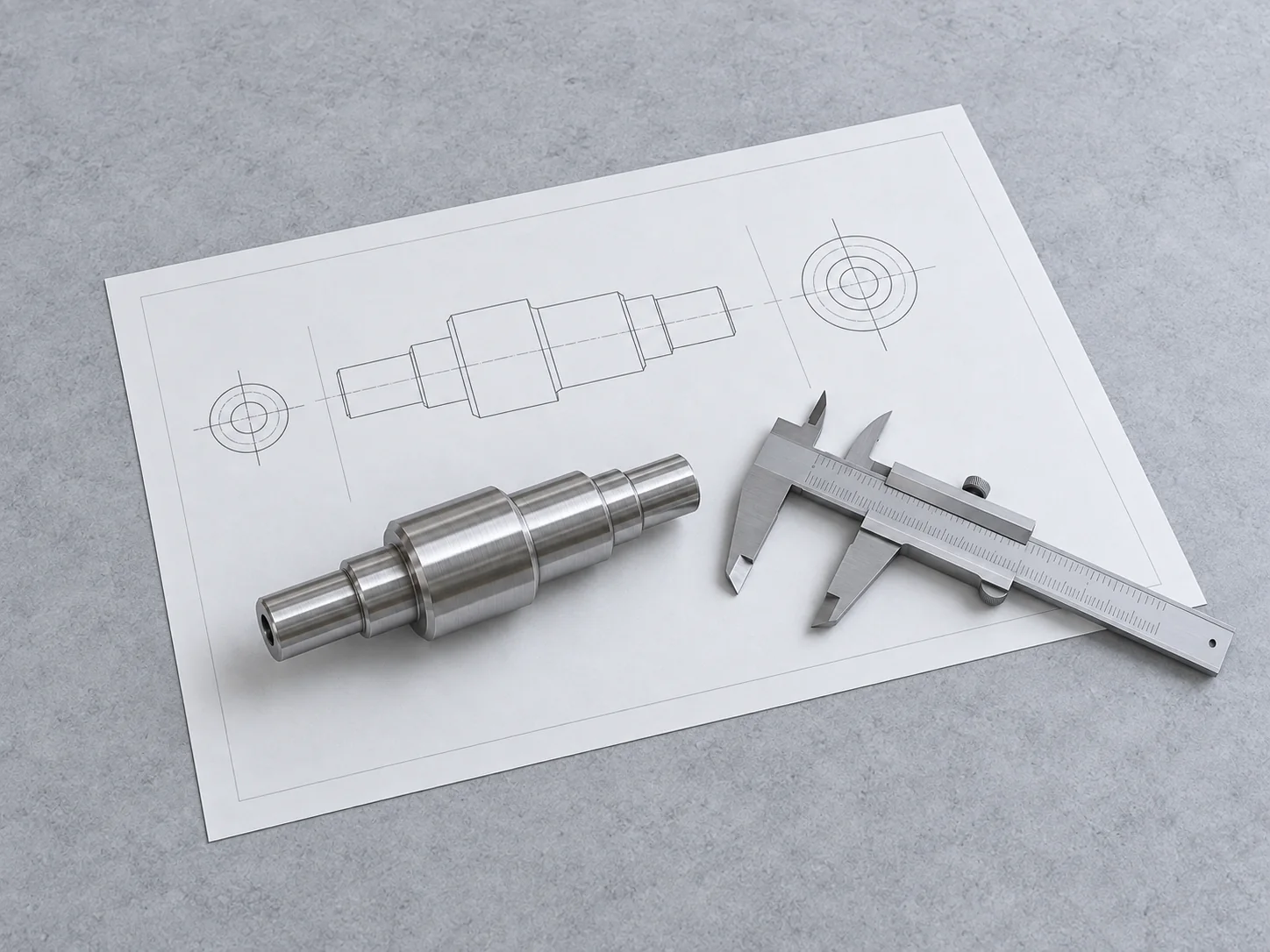
Start with a marked drawing or controlled photograph that identifies the functional faces, fits, threads, tips and projecting features. State the condition receiving must check on each feature. A general request to pack carefully gives the packer little guidance about where contact is acceptable. Show permitted support areas as well as protected zones, especially when a narrow end, sealing edge or finished bore needs a dedicated arrangement.
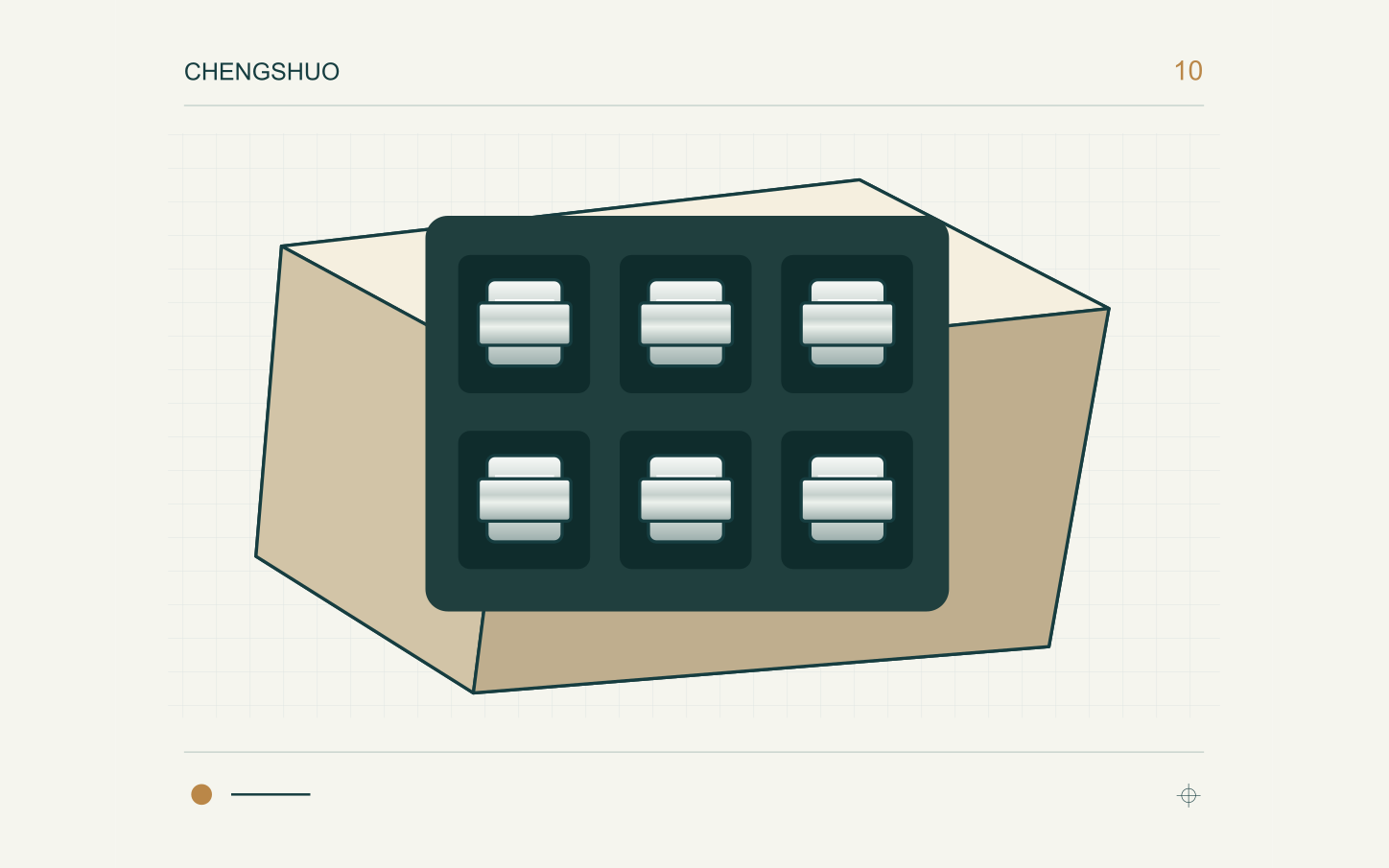
Include the next operation in the brief. Parts may go directly to assembly, inspection, further finishing or controlled storage, and each route can require a different unpacking and handling sequence. Agree which surfaces can be touched by separators or supports and which must remain accessible for the planned inspection. Chengshuo company material includes a protective-wrapping example; use the actual part geometry and order requirements to define the package for a new project.
Choose separation and support around the actual geometry
Define whether the intended unit is an individual part, a separated group, a tray or another agreed arrangement. Show how parts are oriented, how critical projections are supported and where adjacent parts or packing materials may contact them. Identify the quantity in each inner container and the relationship between inner containers and the outer carton. Use an annotated sample packing layout when a description would leave the contact or support locations unclear.
Review the package through its handling sequence: packing, carton closure, transport, opening and removal of the last part. Agree which observations will be used in the sample review, such as contact marks, displaced separators or movement into an unprotected area. If transport testing is required, specify its applicable procedure, configuration and acceptance criteria with the responsible packaging owner. A customer-approved sample layout can then become a controlled packing instruction rather than an informal reference.
Agree final cleanliness and material compatibility together
State the delivered condition before choosing an oil, film, paper, bag or other preservation method. Include the metal, finish and any subsequent operation that could be affected by residue or removal. ZERUST guidance distinguishes corrosion protection from removal of moisture and recommends checking the suitability of the selected product for the application. Obtain the relevant packaging-material instructions and compatibility decision for the actual combination of part, finish and storage or shipping conditions.
Give cleaning and protection separate acceptance points in the packing instruction. Identify the areas that must be free of loose machining debris, the permitted preservation material if any, and who approves its use. Where a quantified cleanliness or storage requirement exists, include its agreed method and acceptance limit rather than substituting a visual description. Keep the approved material identity and relevant application instructions available with the package specification, including any removal step required before assembly.
Keep traceability readable after the outer carton is opened
List the identifiers needed on each level of packaging: part number, revision, batch or lot reference, quantity and any agreed handling information. Decide where the label will be placed and how it remains associated with the parts during inspection and internal transfer. The inner-container label is particularly useful when receiving separates a carton into several storage or production locations. Give the supplier an approved label example with fields, rather than a completed label containing fictional order data.
Agree the treatment of mixed part numbers, revisions or lots before packing begins. If separation is required, show the boundary clearly in the layout and accompanying list. Keep material and inspection documents linked to the correct part and lot reference. Avoid putting confidential drawing details or contact information on an external label unless the order explicitly requires it. A traceable package should help the receiving team find the relevant record without reconstructing the contents from the outer shipping label.
Review a sample pack with the receiving team
Ask the receiving team to walk through the proposed opening and removal sequence before the packing instruction is released. Identify what they will inspect first, which labels they will retain and how the parts will be transferred to the next operation. Record the sample-pack identity, part revision, packing layout and acceptance decision. Use the same feature names as the drawing so observations about a mark or loose part have a clear technical location.
For an illustrative scenario, consider a tray of turned shafts and a separate inner container of small contact parts. Receiving checks the protected ends, the approved support positions and the lot references at the inner-container level, then compares the observations with the agreed instruction. This describes a review method, not a completed customer shipment or a claimed transport-test result. Update the layout or instruction when the sample review exposes an unresolved handling step.
| Decision | Agree before ordering | Retain with the order |
|---|---|---|
| Protected features | Contact zones, projections and acceptance condition | Marked drawing or packing detail |
| Support and separation | Orientation and quantity per inner container | Approved sample layout |
| Final condition | Cleaning, preservation and compatibility decision | Named material and application instruction |
| Traceability | Part, revision, lot and quantity at each level | Approved label fields and packing list |
| Review method | Opening sequence and any agreed transport test | Sample identity and acceptance decision |
| Repeat orders | Instruction revision and change triggers | Current packing and receiving baseline |
Put packaging acceptance into the RFQ and repeat-order file
Include the marked protected features, quantities per inner container, proposed support and separation method, preservation requirements and label example in the RFQ. State who supplies special trays or other dedicated packing items and who approves the sample arrangement. Ask the quotation to identify the agreed packaging deliverables and any open decisions. When materials or shipment conditions are not yet fixed, keep those decisions visible so that the order can be released against one controlled specification.
After approval, retain the packing-instruction revision, material identities, layout, label fields and sample-review decision with the repeat-order documents. Review changes to the part geometry, surface finish, container quantity or transport route against that baseline. At receiving, record the actual lot, package condition and any feature-specific observations before releasing the parts to the next operation. This creates a practical handoff between purchasing, the packer and receiving without inventing a universal protection or storage guarantee.
Questions before your drawing review
What should be marked on a packaging drawing?
Mark the functional surfaces, fits, threads, edges and projections that need protection. Show acceptable support or contact areas and define the condition receiving should check on each protected feature.
Is an outer-carton label enough for lot identity?
Define identification at every packaging level used by receiving. Inner-container labels help keep the part number, revision, lot and quantity associated with parts after a carton is split.
How should preservation materials be selected?
Review the actual metal, finish, storage or transport conditions and next operation. Obtain application instructions and an agreed compatibility decision for the selected material, including any removal requirement.
What should the sample-pack review record?
Record the part and packaging revisions, layout, material identities, opening sequence and acceptance observations. Link each feature-specific observation to the marked drawing or approved instruction.
Does a wrapping example replace an agreed packing instruction?
Use examples to discuss the arrangement, then approve a layout and instruction for the actual part and order. Retain the agreed support positions, quantities, label fields and acceptance criteria.
When should repeat-order packaging be reviewed again?
Review changes to geometry, finish, container quantity, preservation material or transport route against the approved baseline. Specify any sample or receiving checks affected by the change before order release.
Prepare the drawing review
- Material records and lot traceability
- Small-part inspection records
- Repeat-order revision changes
- CNC turning drawing review
Technical references: ZERUST — moisture, material compatibility and VCI packaging guidance.