 7 min read
Define the purchase decision the prototype must support
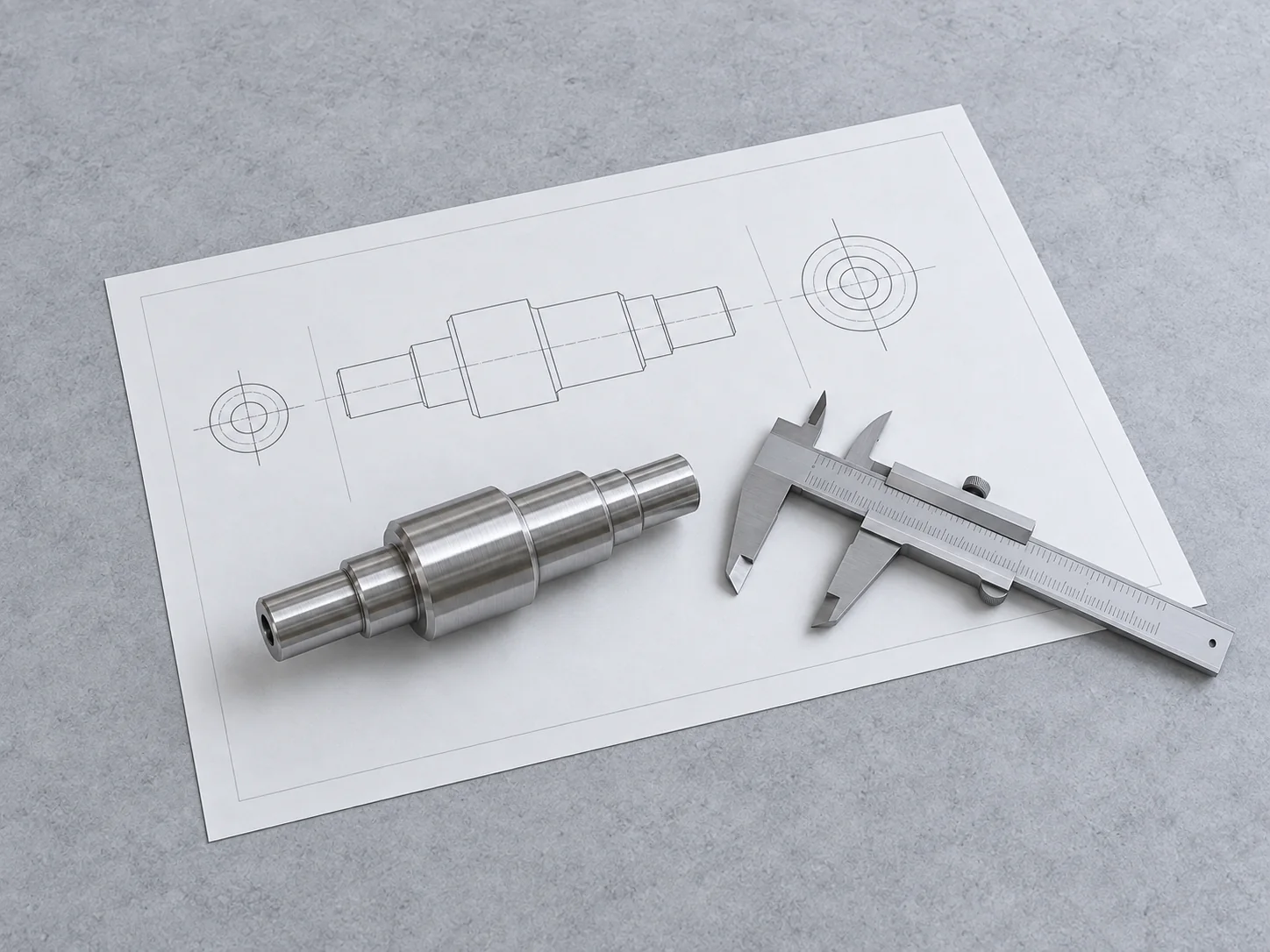
Identify whether the first order is for geometry review, a fit trial, finish selection or a production-intent sample. State the required evidence for that decision before requesting a quotation. A fit trial needs the nominated mating components and assembly procedure; dimensional approval needs the controlled drawing and the agreed characteristics to be recorded.
Provide the drawing number and revision, model version, material grade and condition, finish, quantity and intended delivery state. Name who reviews each result and list the conditions that remain open. If the sample uses a different route or finishing condition from the intended repeat order, identify the difference and agree what further review is needed for production release.
Turn the sample decision into a controlled order baseline
Write an approval decision that identifies the sample and the requirements it satisfies. Attach the relevant dimensional records, finish decision, permitted deviations and any assembly observations. Give each open action an owner and a release condition. The production order can then refer to a specific approval package rather than an informal description of the last sample.
Keep the current controlled files separate from superseded revisions while preserving the revision history. Record which material alternatives, finish options or deviations were actually accepted. An alternative offered during quotation should appear in the approval record when it is selected. Use the CNC machining RFQ checklist to check that the same baseline reaches purchasing and inspection.
Request production evidence with a defined purpose
If your project requires process-capability evidence, agree the characteristic, specification limits, data collection and evaluation method with the responsible quality team. NIST describes capability as a comparison between an in-control process and specification limits. State the production conditions and supporting records required for the particular release decision.
For a production trial, also identify the quantity, material and final condition, feature-level inspection scope and disposition of the trial parts. List requested reports as separate deliverables in the RFQ. Keep any capability study or functional trial tied to its actual conditions instead of treating the prototype approval as a general approval for every future order.
Compare the next purchase with the accepted version
Reference the part number, drawing revision and approval package on the repeat request. Compare the new quantity, material, finish, critical characteristics, inspection documents, packaging and target date with the prior accepted scope. Ask the supplier to review the current requirement set and identify changes to the quotation or planned route.
Give a changed feature its connected interfaces: a revised shoulder may affect a stack, and a revised groove may affect the selected retaining arrangement. Mark those changes on the supplied files. Agree which characteristics or assembly checks need renewed approval, with the responsible reviewer identified. Link groove and retained-part requirements to the same revision history when they are part of the component.
Build a handover that purchasing and receiving can use
Create one release index listing the controlled files, material and treatment requirements, sample decision, inspection plan, approved exceptions and packing instructions. Give document names and revisions that the supplier can confirm. Identify the required lot or part marking and documents to accompany the delivery where those are part of the agreed order.
Keep forecast demand separate from firm order releases. Include both sample and production quantities and ask for the schedule to be confirmed against the accepted scope. An open drawing decision should remain visible in the request rather than being presented as an approved production requirement. Record subsequent changes against the same part and approval package.
Connect the approval record to the part being sourced
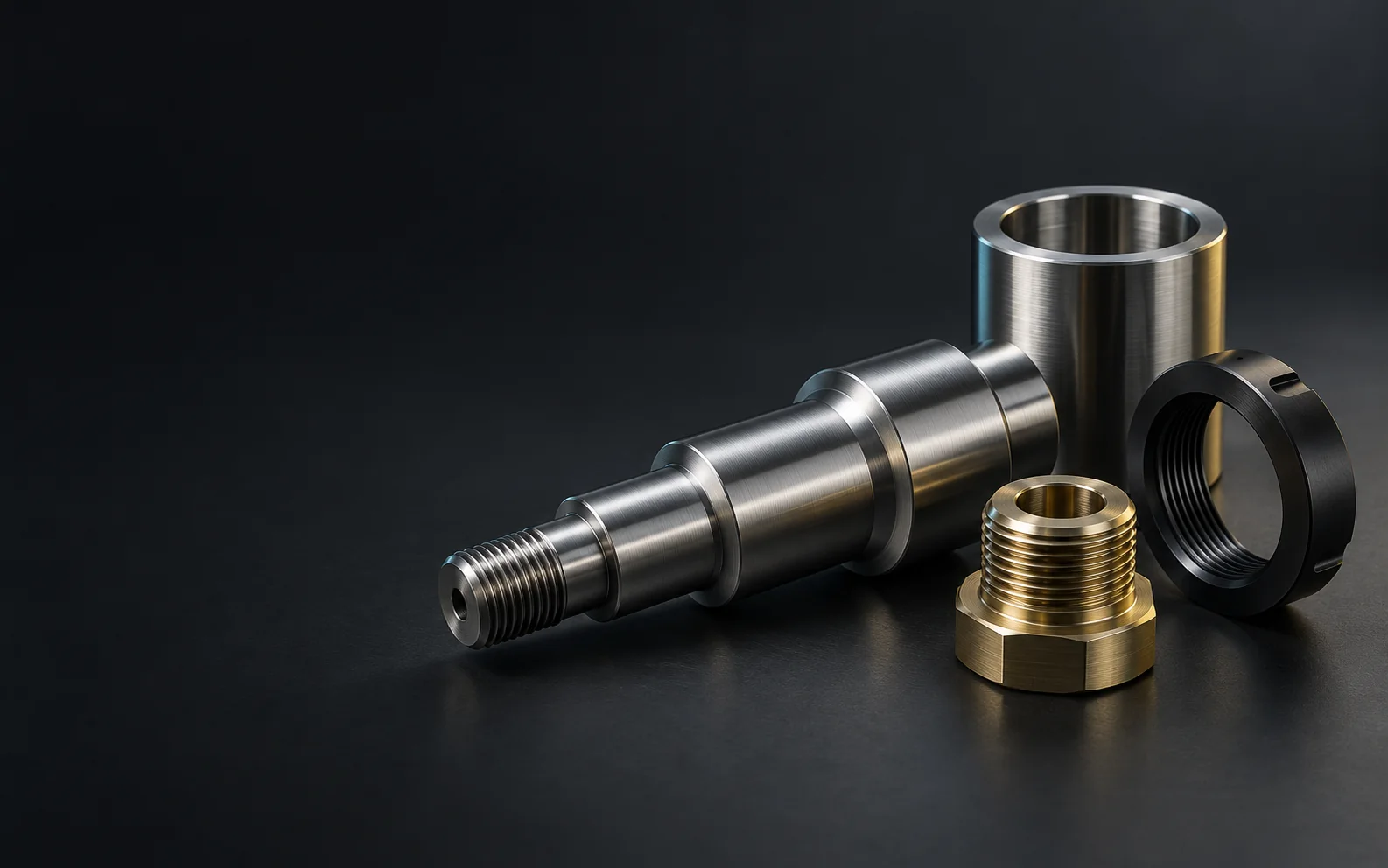
Chengshuo’s spring-return guide rod and stepped shaft provide geometry references for a drawing-led enquiry. Supply your own part definition, mating interfaces and acceptance requirements for quotation review.
For a new sample or repeat batch, state the release stage and changes from the accepted version in the machining enquiry. Use the inspection requirements guide to name the feature records requested with the order. Agree the included deliverables, price and schedule through the specific quotation.
Purchasing and acceptance worksheet
| RFQ decision | Specify before quotation | Record with the order |
|---|---|---|
| Sample purpose | Geometry, assembly, finish or production-intent decision. | Named reviewer and acceptance decision. |
| Controlled definition | Drawing, model, material and finish revisions. | Released file index and approved alternatives. |
| Inspection scope | Characteristics, references, method and requested records. | Sample identity and actual results. |
| Open conditions | Deviations, pending decisions and release conditions. | Owner, disposition and closure record. |
| Repeat-order change | Differences in geometry, quantity, material or finish. | Change review and renewed approval where agreed. |
| Delivery handover | Identification, protective packing and required documents. | Confirmed release and receiving requirements. |
Questions before requesting a machining quotation
What should I send for prototype to production machining?
Provide the current drawing and model, material and finish requirements, sample purpose, quantities, required records and target date. Include the accepted sample decision when moving to production or a repeat batch.
What makes a sample approval usable for a repeat order?
Identify the sample, drawing revision, accepted requirements, supporting records and approved exceptions. State any conditions that must close before production release and who is responsible for the decision.
How should a drawing change be communicated?
Send the revised controlled files with the changed features identified. Explain the affected mating interfaces and compare the change with the accepted baseline so the required verification can be agreed.
Should I include both sample and production quantities?
Yes. Identify the purpose and quantity for each stage, separating forecast demand from a firm release. Request confirmation of quotation and schedule against the defined requirements.
How do I request process-capability evidence?
Name the characteristic, specification and intended production conditions, and agree the data and evaluation method with the responsible quality team. List the study and records explicitly in the quotation scope.
Which documents should reach receiving inspection?
Use the agreed release index: part and drawing revision, material and finish documentation, required dimensional records, approved deviations, identification and packing instructions. Include any separately agreed trial record.
References & further reading

General planning guidance. Feasibility and acceptance criteria are confirmed against your drawing.