 6 min read
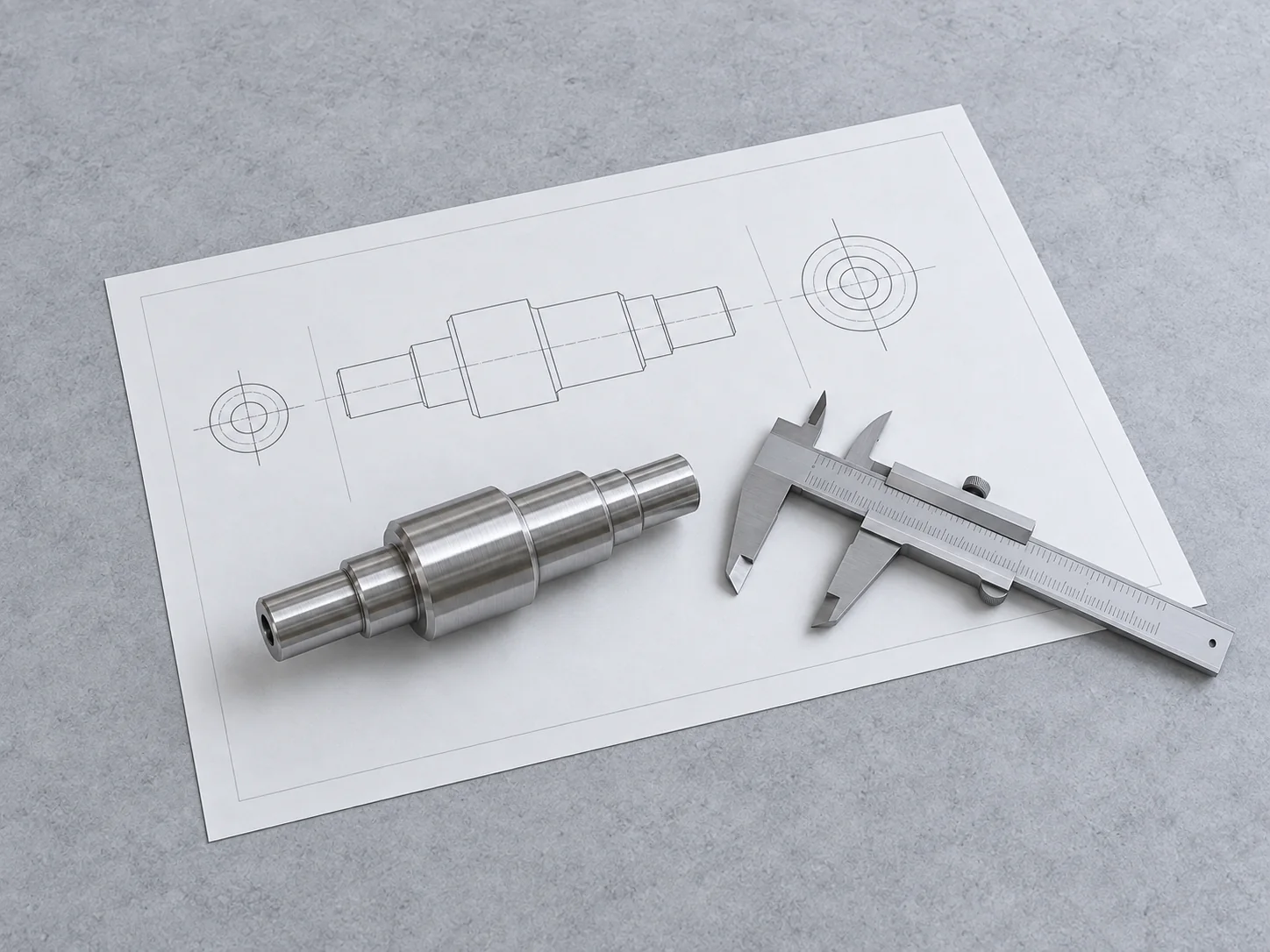
Identify the features that need evidence
Start with the released drawing and its revision. Mark the characteristics that affect fit, assembly or the intended function, and give each an identifier that can be used in the inspection report. Include the associated limits, drawing references and the condition in which the feature must be checked.
A dimensional report, material document and treatment record answer different questions. State which documents are required with the sample and with a production delivery. List any buyer-supplied gauge or mating component that will be needed for an agreed check.
Agree measurement methods before placing the order
Ask each supplier how the nominated features can be reached, supported and measured. For a bore, shoulder or groove, the drawing reference and part orientation can matter as much as the instrument selection. Give the supplier the receiving-inspection method when it forms part of the purchase requirement.
Discuss the finished condition, including any surface treatment that affects the feature. If a method or fixture must be approved by your quality team, identify that step in the quotation request. Document disagreements and the information needed for a recheck.
Specify sample and production inspection separately
Describe the purpose and quantity of the initial samples, the characteristics to report and the reviewer responsible for approval. For production, state whether an agreed sampling plan, every-part check or another defined scope applies to each listed characteristic.
Avoid an unqualified instruction such as full inspection: say which parts and which characteristics are covered, and identify the procedure if one is specified. Include the required inspection effort in the supplier quotation so that proposals can be compared on the same basis.
Define records and traceability in the quotation
Name the part number, revision, lot identification and document format that should appear in the delivery record. Where actual measured results are required, state that explicitly. Identify the material, treatment or batch records that your order needs and the links between those records and delivered parts.
NIST describes metrological traceability as a property of a measurement result supported by a documented calibration chain and measurement uncertainty. Keep this distinct from material-lot traceability and discuss the suitability of the method for the feature being checked. The groove drawing guide shows how a feature and its inspection scope can be described for an RFQ.
Connect the sample decision to repeat orders
Record which drawing and requirements were reviewed, which features were reported, and who accepted the sample. List any approved deviation with its scope and expiration where applicable. A sample decision should identify outstanding actions before it becomes a reference for a later order.
Use the prototype-to-repeat order guide to carry the approved revision and change history forward. For an actual component, see the spring-return guide rod as a geometry reference and use the drawing-led enquiry to discuss your own acceptance plan.
Inspection purchasing worksheet
| RFQ item | Specify before quotation | Record with the order |
|---|---|---|
| Drawing basis | Part, revision, material and delivered condition. | Controlled file and applicable changes. |
| Characteristics | Feature IDs, limits, datums and acceptance condition. | Feature-level results where requested. |
| Measurement | Method, part support, access and responsible reviewer. | Agreed method and any required calibration evidence. |
| Sample | Purpose, quantity, checks and approval responsibilities. | Sample identity, results and acceptance decision. |
| Production | Inspection stage, frequency and applicable plan. | Lot identity, scope and required results. |
| Release | Required material and treatment records, exceptions and communication. | Delivery document index and approved deviations. |
Questions before requesting a machining quotation
What inspection information should accompany a CNC machining RFQ?
Provide the released drawing and revision, feature identifiers, applicable limits, material and delivered condition. List the sample and production inspection scope, required records and target quantities.
Should I specify a measurement method before ordering?
Identify the method when it is a purchase requirement. Otherwise ask the supplier to propose an approach for the actual feature, drawing datum, part support and finished condition, and agree it before release.
How should sample inspection differ from production inspection?
State the purpose and quantity of samples, which characteristics require reports and who approves them. Separately define the production inspection stage, frequency and any applicable sampling plan.
What does full inspection mean on a purchase order?
Define whether the requirement covers every part, every listed feature or both. Give the acceptance criteria and reporting scope so suppliers can quote consistently.
Which traceability records should I request?
Identify the lot links and material or treatment documents needed for your order. Where measurement traceability is required, agree the evidence relevant to the measurement result and method.
How do I carry an approved sample into a repeat order?
Reference the accepted sample, drawing revision, documented results and approved exceptions. Identify any changes and agree whether additional review or a new sample is needed.
References & further reading
General planning guidance. Feasibility and acceptance criteria are confirmed against your drawing.