 5 min read

What should a CNC machining RFQ include?
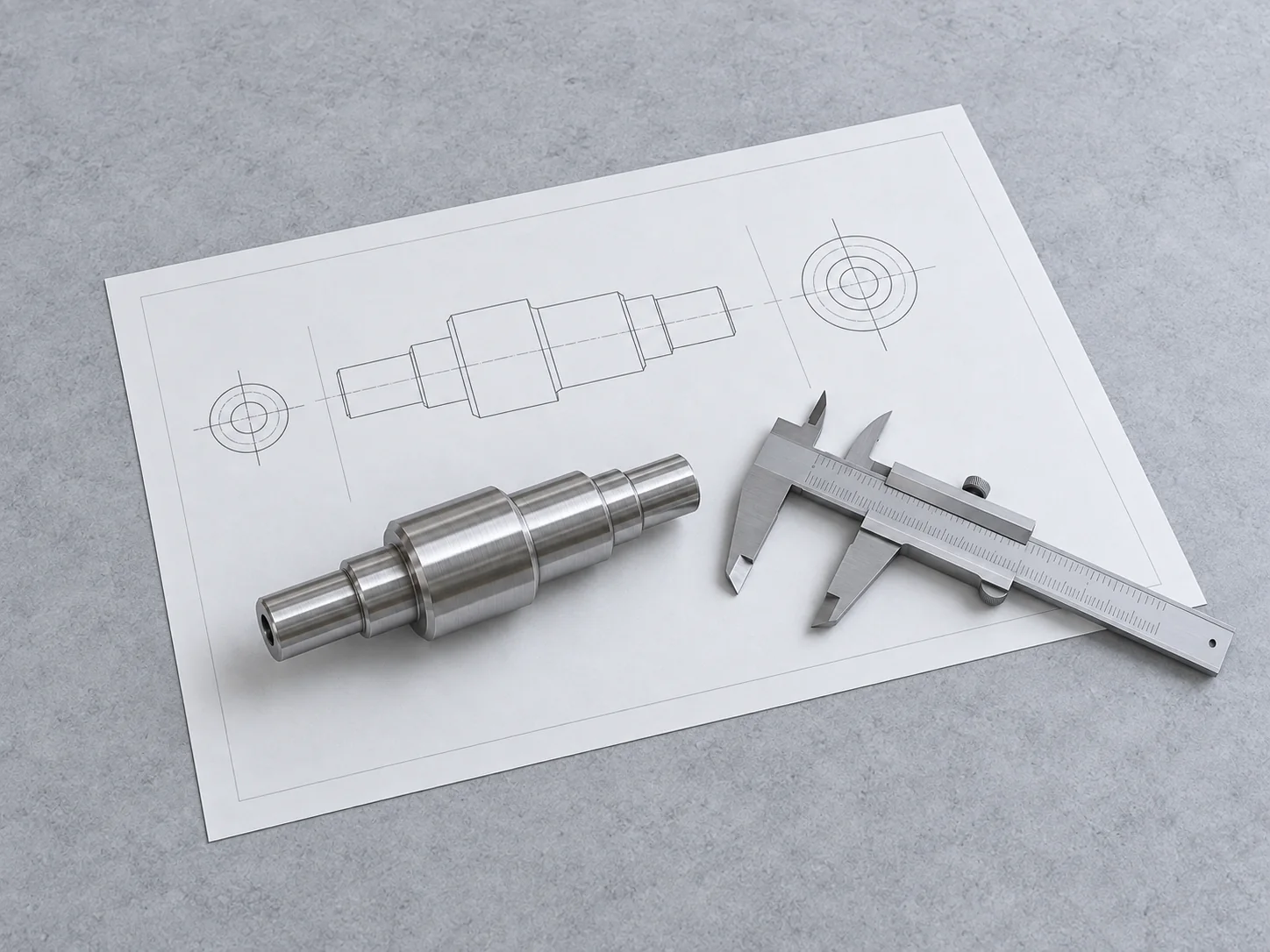
For a machining quotation, send the current dimensioned drawing, material requirement, quantities and acceptance requirements. Identify the intended delivered condition and mark anything still undecided. An early feasibility request and a quotation against a released drawing are different purchasing stages. A photograph can introduce the shape; it does not define the dimensions, material grade or acceptance limits.
State the stage of your project: design estimate, prototype samples, initial production or a repeat order. For a repeat order, identify the approved revision and describe any changes. Do not assume that the same part number means the same manufacturing scope. Keep a copy of the exact information sent so later questions and quotations refer to one package.
Which drawing and model revision controls the quote?
Identify the part number, drawing and model revision, units and referenced specifications. Check that the attachments open and that their filenames identify the intended revision. If the model, drawing or physical sample differs, identify the conflict and state which document is intended to control the requirement. Resolve that point before release rather than asking the supplier to infer the design intent.
Keep three categories separate: confirmed requirements, open design decisions and proposed supplier alternatives. An alternative material, feature or process is a proposal until the authorized design owner accepts it. For a preliminary enquiry, mark unknown items as to be confirmed and name the person responsible for resolving them. A blank tolerance or unspecified finish must not silently become an agreed requirement.
How should material, finish and quantities be listed?
Give the required material grade, governing specification and condition, together with any material documentation needed. Describe the final surface treatment, cosmetic requirements and protected surfaces. Identify the condition in which critical dimensions must be accepted. If the design is not settled, ask a specific question about the open requirement instead of using a broad description such as stainless steel, polished.
List sample quantity, initial production quantity and expected repeat batch size separately. A forecast provides planning context; it is not a committed order quantity. Provide the delivery destination, target timing and packaging or identification requirements. Ask the quotation to identify applicable setup, tooling, treatment, inspection and packing items so the purchasing team can see what the price includes.
Which inspection records should be requested?
Identify the interfaces that locate, guide, retain, seal or connect to another component. For a shaft, describe the mating diameters, shoulder references and groove requirements. Supply relevant mating-part requirements when they affect the decision. This is a way to explain your own drawing, not evidence that a catalogue reference has achieved the same fit or performance.
Name the characteristics that need recorded results, their drawing references and the sample or lot identification required on the record. Distinguish dimensional checks from assembly or functional tests. State who supplies the mating parts or fixtures and who is expected to perform each test. If the method or access is unresolved, flag it for agreement. A component photograph, material certificate or generic pass label does not replace a part-specific measured record.
Use this 12-item enquiry checklist
Complete the checklist below before sending the package. Unknown fields may remain explicitly marked to be confirmed; do not invent values to make it look complete. The checklist organizes the review and does not replace the controlled technical documents or an agreed quotation.
- 1. Current drawing: part number, dimensioned drawing and current revision.
- 2. Units and notes: units, applicable drawing notes and referenced specifications.
- 3. Relevant model: 3D model revision and any differences needing clarification.
- 4. Material grade: grade or governing specification, with unknowns marked.
- 5. Material condition: condition and required material documentation.
- 6. Critical features: mating interfaces, functional requirements and drawing references.
- 7. Surface requirements: treatment, finish, protected areas and markings.
- 8. Requested quantities: sample, first order and quantity options; distinguish forecasts.
- 9. Project stage: samples, development or production, and the next decision.
- 10. Acceptance: inspection records, sample identification and sample review needs.
- 11. Timing and contact: requested date, destination and responsible contact/email.
- 12. Sharing: file list, disclosure permission, restrictions and any NDA request.
Checklist copied.Select and copy the checklist below.
How should confidential files and receipt be handled?
If your project requires an NDA, contact Chengshuo before uploading confidential files. Website submission does not itself create a confidentiality agreement. Only disclose documents you have permission to share, and read the privacy notice before submitting personal contact details. You can start with a non-confidential description while the requirements for exchanging restricted information are discussed.
The current RFQ form supports PDF, STEP/STP, DXF, PNG and JPG/JPEG: up to three files, no more than 5 MB each and 10 MB in total. For other formats or larger packages, contact the team before sending. Retain the reference shown after a successful submission with the revision of the documents sent. An error or missing confirmation should not be treated as a confirmed receipt.
How should quotations be compared?
Check the returned quotation against the same part revision, material, delivered condition and quantities. Record exclusions, substitutions, inspection scope, tooling and open questions alongside the price. Where a requirement remains unresolved, make the decision and its owner visible before moving to the next stage. An enquiry receipt is not manufacturing acceptance, sample approval or confirmation of price and lead time.
Use the completed checklist to prepare a Chengshuo drawing review. If the material or finished condition is open, use the material and surface specification guide to frame the question. Use the inspection requirements guide to name the characteristics and records you need. Your own approved requirements define the part; keep the quotation, agreed changes and sample review scope with the same drawing revision.
FROM THE GUIDE TO YOUR PART
Put the checks into context.