

Define the copper part through its assembly interfaces
A supplier enquiry should explain which surfaces locate the component and which features connect it to the surrounding assembly. For a shaft-like part, identify the working diameter, the end collars and the faces that establish position. Describe any groove by its role in the design and show the relevant mating-part information. This gives the drawing review a concrete set of interfaces to consider.
Send the current drawing number, revision and units, with a model where it helps explain the shape. Separate a clearance feature from a guiding or retained fit. Put the required dimensions and geometric relationships on the controlled drawing. If more than one version is being compared, give each version a clear identifier and its own quantity so the quotation can distinguish the options.
Use the copper shaft reference to explain your geometry
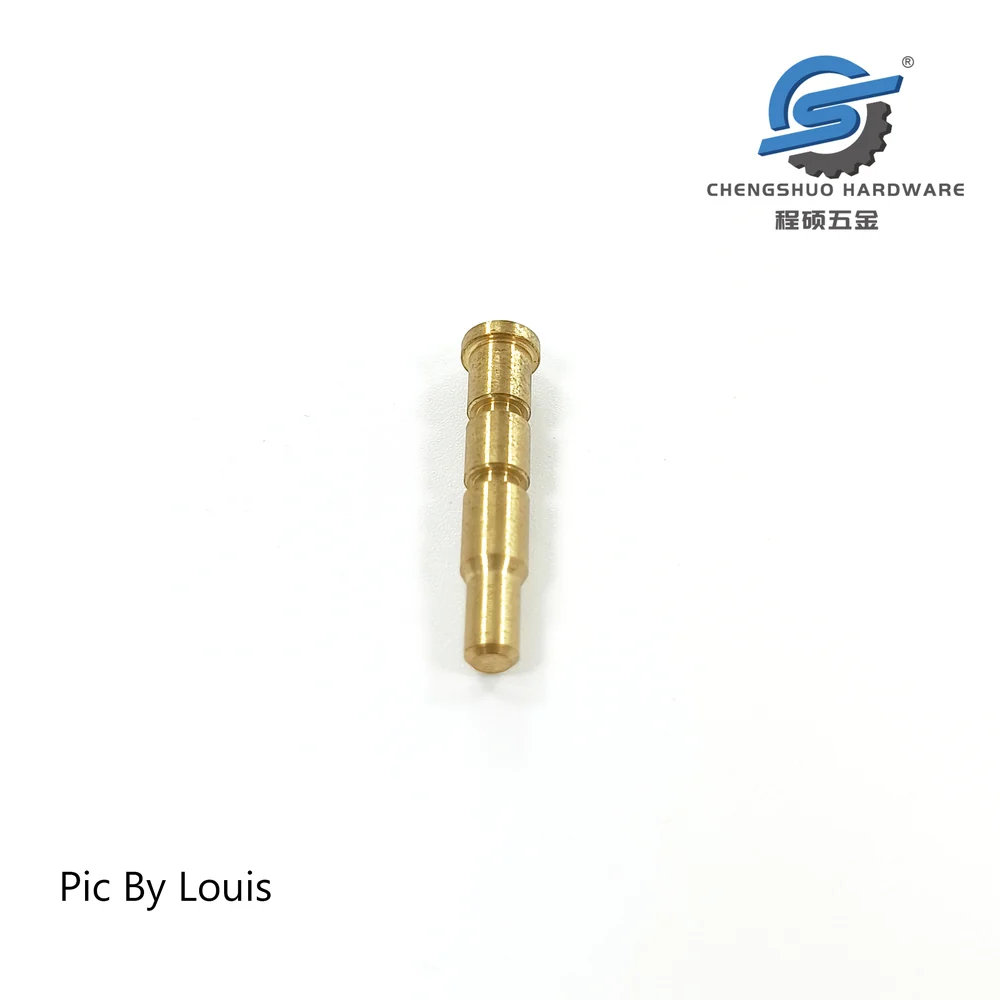
The published reference is a small copper shaft with a slender stepped body, end collars and circumferential grooves. Use the original photograph and product page to communicate a related form, then define the actual component through your drawing. Identify which collar bears against a mating face and which groove or end feature affects installation.
For a part with an important assembly orientation, show that relationship to the drawing datum. Include a section where an internal or relieved feature needs explanation. Describe the condition in which the part is installed and checked. The proposed manufacturing scope and any additional operations can then be reviewed against the submitted geometry and material specification.
Specify the copper designation and delivered condition
Write the required copper designation and applicable material standard in the enquiry. State the condition or treatment required by your design and list any material documents needed with samples or delivery. If a different alloy is being considered, identify it as a separately controlled option with an approval decision before ordering.
Explain the final condition of the important surfaces. Mark contact areas, mating diameters and the edges that need particular attention. Where a coating or other operation is requested, identify the covered and protected areas and the condition used for dimensional acceptance. Keep material, surface requirements and drawing revision together so that purchasing compares an agreed component specification.
Agree dimensional and application checks separately
Select the features that decide component acceptance and state which results should be documented. For a stepped shaft, these can include the locating diameter, the relationship of collars and the position of a groove. Identify the datum and any buyer-supplied gauge or mating component used in the check. Describe the inspection arrangement clearly before sample approval.
If the intended application includes electrical, thermal or other functional requirements, provide the actual test procedure, conditions and acceptance rule. Keep those checks distinct from measurements on the loose part. Identify who approves the assembled result and which records form part of the purchasing decision. Changes to material, surface condition or a mating feature should remain linked to a controlled drawing revision.
Put quantities, protection and documentation into the enquiry
Provide sample quantity, the first order quantity, delivery destination and target timing. List any requested material and inspection records. Explain which collars, grooves, edges or contact surfaces need protection during handling and transport. Define the part and batch identity needed on packaging so receiving can connect the delivery to the approved sample and drawing.
Use the enquiry link to carry this copper material page into your brief. Add the actual dimensions, material, critical features and quantity scenarios for your own part. Share only authorised drawings and agree an NDA first where needed. The quotation should identify the accepted component, manufacturing scope, additional operations, documentation and delivery terms for that project.
Reference parts and drawing resources
- Copper stepped shaft
- Define shaft fits and datums
- Plan part acceptance
- Prepare your drawing package
- Specify a separate brass option
Procurement questions
Which copper component is the reference?
The linked Chengshuo reference is a small copper stepped shaft with end collars and circumferential grooves, shown in an original company photograph.
How should I specify the copper material?
Provide the required designation, material standard and condition from your design. List any documents needed to link the material to samples or delivery.
What belongs on a shaft-component drawing?
Identify the revision, units, locating surfaces, collar positions, grooves, relevant fits and mating-part information needed for assembly.
Can the enquiry include an electrical or thermal test?
Provide the actual procedure, conditions, acceptance rule and required records separately from dimensional inspection so the scope can be reviewed.
How is the manufacturing route agreed?
The proposed operations and delivered condition are reviewed against the actual drawing and material requirement. State any mandatory process or additional operation in the enquiry.
What information is needed for a quotation?
Send the drawing, material, sample and order quantities, critical interfaces, inspection requirements, delivery destination and target timing.