
 3 min read
Choose from the geometry and requirements
Small diameter alone does not make a component a Swiss-turning job. The useful question is whether the part's geometry, material, support needs and feature sequence suit the proposed machine configuration. Quantity, inspection and finishing requirements also belong in that decision.
Begin with the rotational body, overall dimensions and the features that interrupt it: shoulders, holes, threads, flats, slots or an opposite-end detail. Identify which surfaces must relate closely to one another. This gives the process review more useful information than a request for a particular machine type without the drawing.
Consider the support strategy
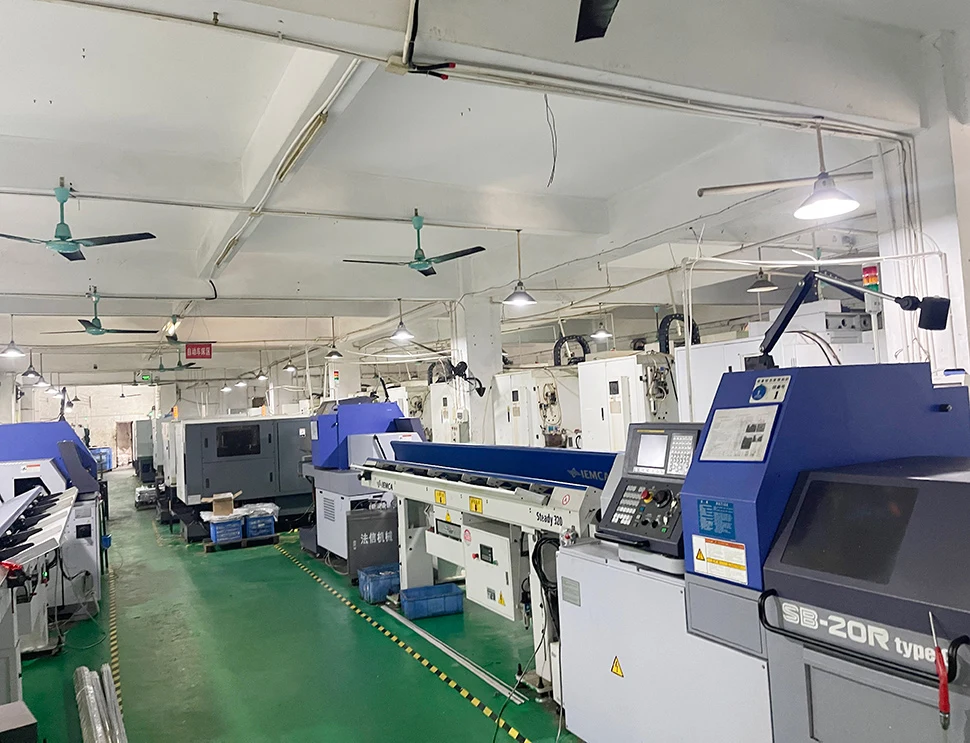
Guide-bushing arrangements are associated with supporting long, slender workpieces during Swiss machining. Machine configuration matters: Citizen's L12 product information describes guide-bush mode for long components and a non-guide-bush mode that can reduce remnant length. The available modes and their suitability must be checked against the proposed equipment.
Ask how the proposed route supports your particular geometry and accommodates the selected bar material. Stock condition, dimensional consistency, straightness and holding requirements should be assessed together. Avoid selecting a process using a universal length-to-diameter cutoff without considering the part and the actual setup.
Map every feature to an operation
Turning the main diameter is only part of the route. Side holes or flats may require driven tooling; opposite-end features may require transfer or a separate operation. The relevant tooling, access and workholding must be available on the proposed equipment. A machine-family name does not confirm those details.
Prepare a feature list and ask which operations can be combined and which need another setup. Evaluate the complete route, including deburring, cleaning, treatment and inspection. A shorter machining sequence is useful only if the delivered component still meets the agreed requirements.
- Identify long or slender sections and the surfaces available for holding.
- Locate cross-holes, milled features and details on the second end.
- Flag deep internal features, delicate walls and difficult burr locations for review.
- State material condition, final treatment and the features requiring inspection.
Compare alternatives on the same basis
Depending on the component, fixed-head turning, mill-turn equipment or a route with separate operations may also deserve evaluation. Compare those routes against the same revision, material, quantity and acceptance requirements. Do not assume Swiss turning is automatically the least expensive option for every small part.
Ask how setup, dedicated tooling, stock use, secondary operations and inspection affect the quotation. Separate the prototype quantity from the expected repeat batch. A route selected to learn about a new design may differ from one evaluated for a stable repeat requirement; any change affecting approved characteristics should be reviewed.
Request a part-specific review
For a Chengshuo enquiry, send the current drawing or approved model, material condition, quantities and critical inspection requirements. Indicate whether the design is fixed or open to manufacturing suggestions. Include the reason for any process restriction imposed by your project.
The intended outcome is a proposed route with its assumptions and open questions clearly stated. Machine selection, achievable requirements and delivery commitments need part-specific confirmation. A useful process discussion connects the drawing to a manufacturable and inspectable result instead of treating the equipment name as the answer.
References & further reading

General planning guidance. Feasibility and acceptance criteria are confirmed against your drawing.