
 4 min read
Start with the condition that must be delivered
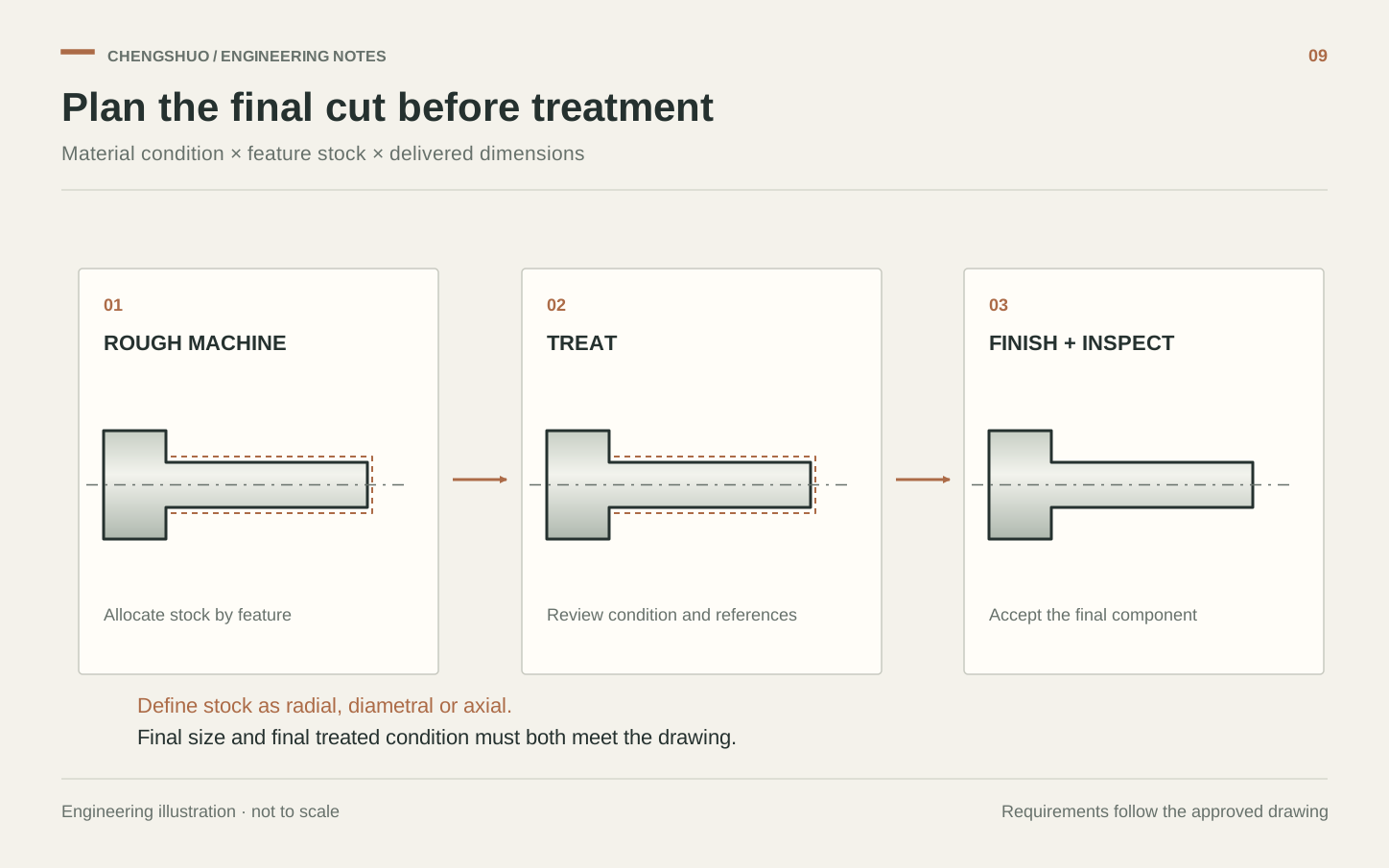
For a heat-treated shaft or pin, the final drawing must describe more than a material name. Identify the required treatment, hardness criteria and, where applicable, the case-depth definition and test locations. State when dimensions must conform in the process route. A report taken before heat treatment does not establish the delivered geometry. Separate the raw-material condition from the required final condition, and identify whether critical surfaces will be finish turned, ground or otherwise processed after treatment. The machining quotation needs this sequence before an allowance can be sensibly proposed.
Choose a sequence for the material and geometry
Bodycote explains that machining can introduce residual stresses and describes stress relieving after rough machining but before final finishing as a route for reducing the risk of later dimensional change. That is useful planning guidance, not a universal recipe for every alloy. Heat-treatment temperatures, cycles and any stress-relief stage must suit the specified material and approved property requirements. A sleeve, slender pin and stepped shaft may need different support and finishing plans. Ask the machining supplier and heat-treatment processor to review the same drawing rather than approve their operations independently.
Treat machining allowance as a feature-level decision
Stock left for finishing must permit the intended final cut while accommodating the selected route and geometry. Mark which diameters, bores and faces retain stock, and clarify whether a quoted allowance is radial, diametral or axial. Avoid copying a single workshop rule to every surface. Too little stock may leave no route to recover the final shape; excessive removal can conflict with the treated layer or other requirements. Bodycote's case-hardening guidance specifically asks buyers to state whether the case-depth requirement includes grinding allowance. Resolve that relationship before approving intermediate dimensions.
Plan the references and the final records together
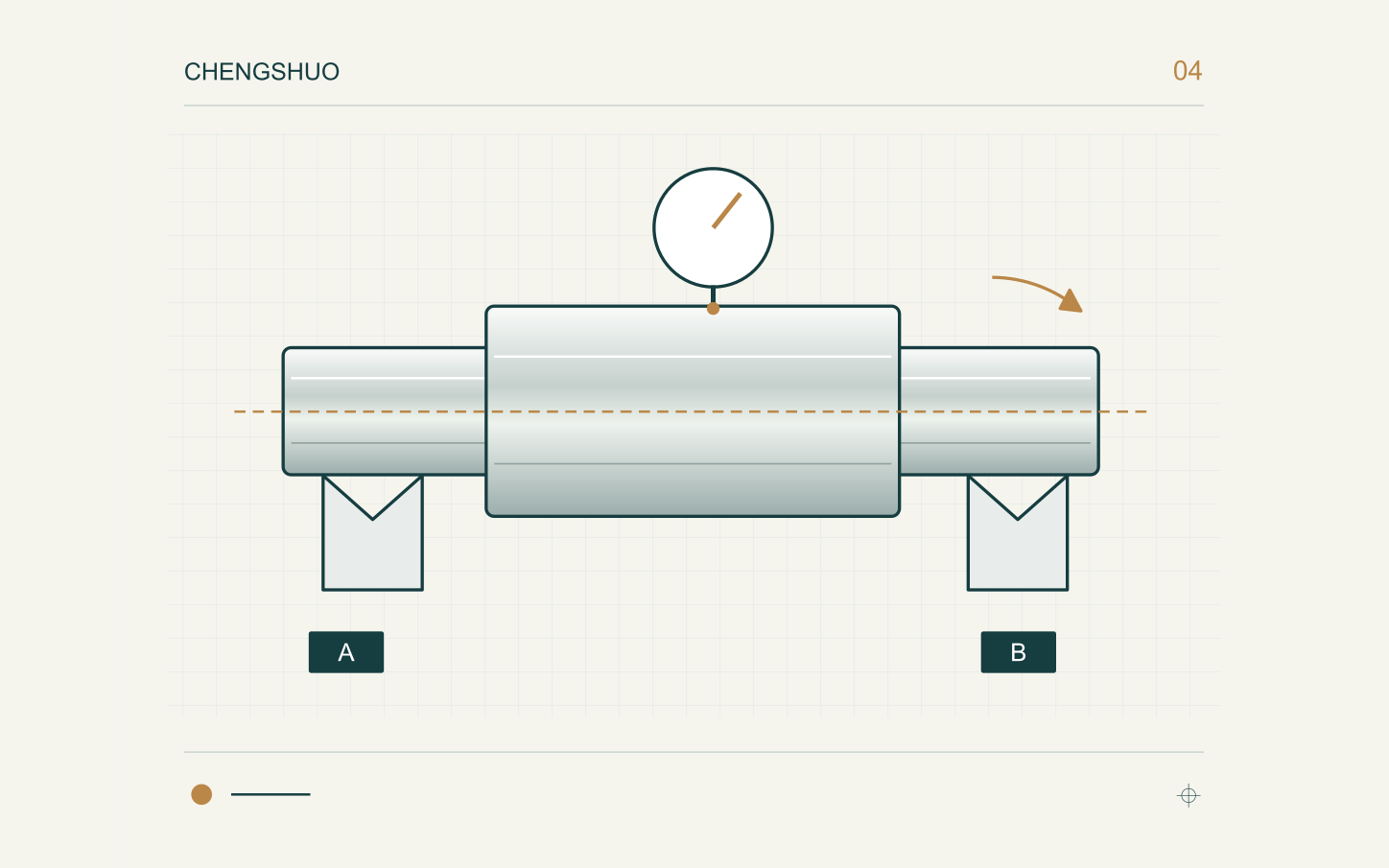
Define how the part will be located for finish machining after treatment and how the same functional relationships will be inspected. A process centre or temporary holding surface needs a stated purpose and a plan for removal if it is not part of the delivered drawing. Inspect the completed component after the required finishing operations, using the approved datum scheme. Keep material identity, treatment batch, hardness or case-depth evidence and dimensional results traceable. If straightening, regrinding or other rework is proposed, review its effect on both geometry and material requirements before accepting it.
Example: a stepped pin with a critical locating diameter
Imagine a case-hardened stepped pin with a locating journal and an axial seating face. An illustrative route leaves stock on those two features for finishing after treatment. The review must establish the allowance on each feature, the locating method for the final operation and the required case condition after material removal. A supplier offering only the pre-treatment journal measurement has not answered the final acceptance question. Conversely, a satisfactory diameter alone does not demonstrate the specified case depth. Procurement should compare quotations with the same treatment, finishing and evidence scope, rather than compare only the turned blank.
Prepare a heat-treatment machining request
Send Chengshuo the finished drawing, material specification and intended treatment requirements. Identify any nominated processor or customer-controlled process. The initial review should agree which manufacturing stages are included and what evidence releases the finished part, with intermediate stock decisions documented separately from the final drawing.
- State the starting material and required final treatment and condition.
- Identify hardness, case-depth definitions and the applicable test locations.
- Mark surfaces requiring final machining and define the allowance convention.
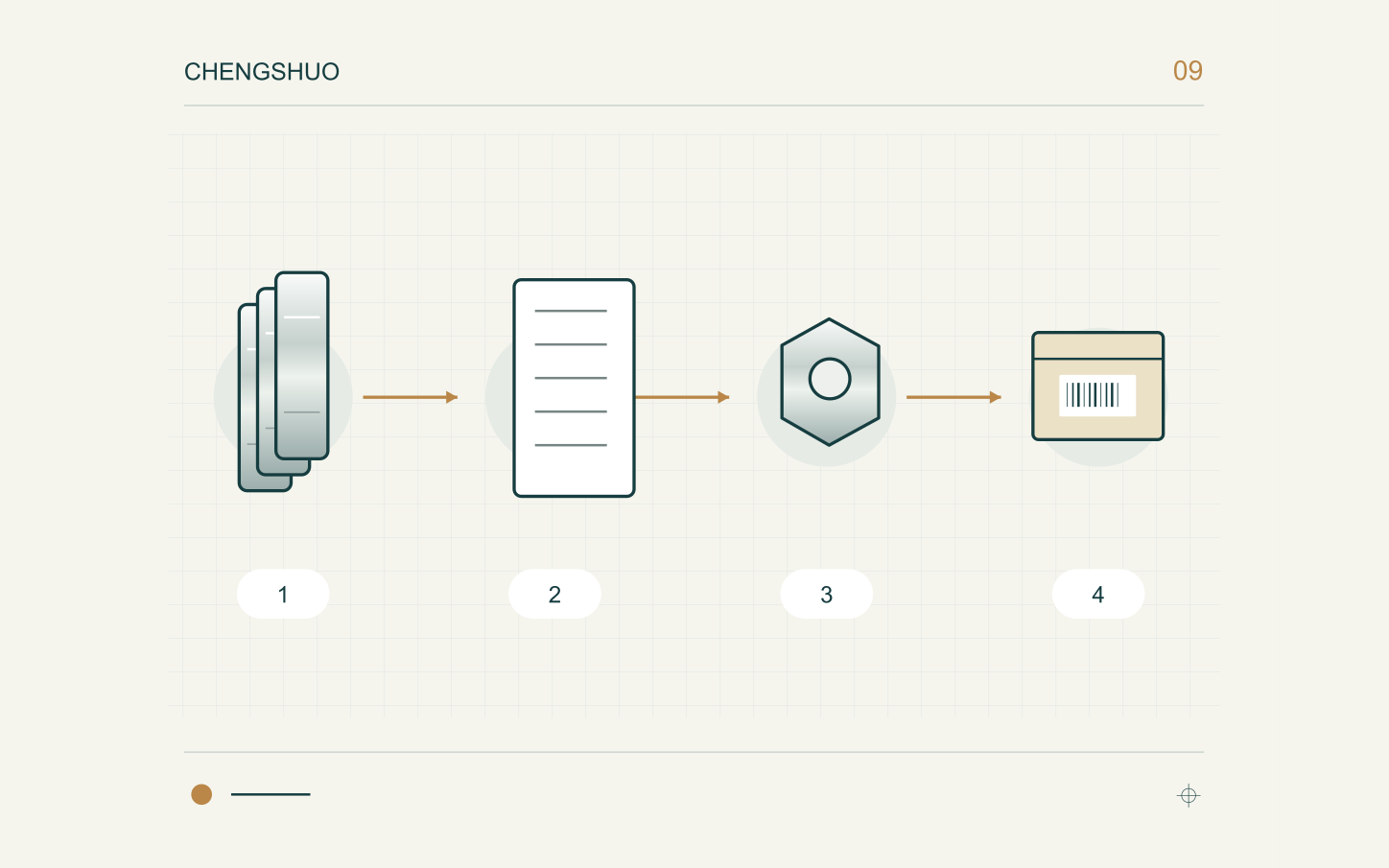
- Agree post-treatment locating, dimensional inspection and rework approval.
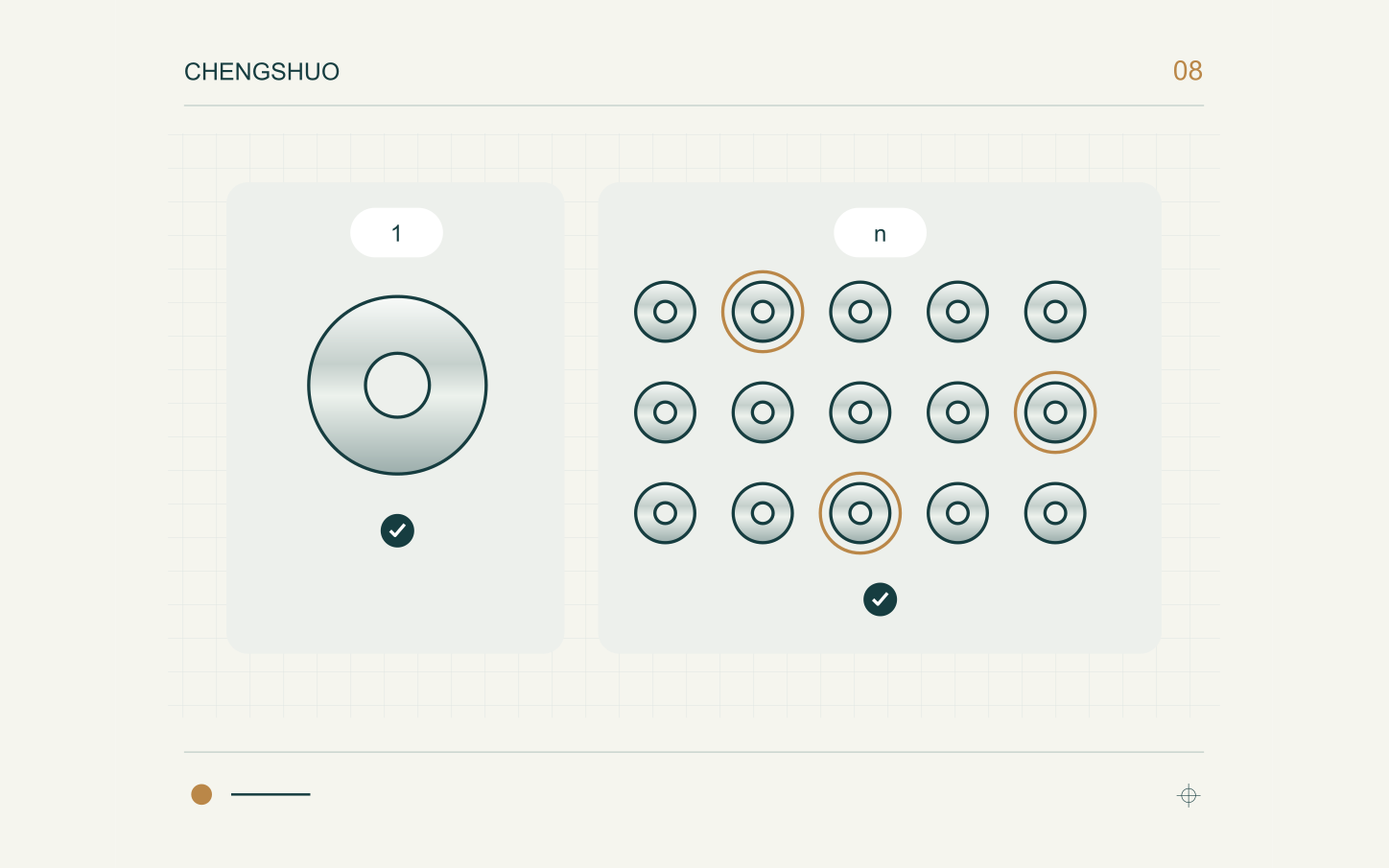
- List treatment records, batch traceability, sample scope and production quantities.
FROM THE GUIDE TO YOUR PART
Put the checks into context.


References & further reading
- Bodycote — Stress relieving and manufacturing sequence

- Bodycote — Case-hardening fact sheet, hosted by ASM International
General planning guidance. Feasibility and acceptance criteria are confirmed against your drawing.