 4 min read
Separate the decisions before choosing the paperwork
A first article record and a production sampling report answer different purchasing questions. The first documents the agreed verification of an initial part and its manufacturing context. The second supports a decision about a defined production lot. An approved first article does not establish that every later part conforms. Before ordering a custom shaft or sleeve, identify which decision allows manufacture to continue, which releases shipment and who is authorised to make each decision.
Define what first article approval actually includes
Connect the initial review to the controlled drawing revision, identified sample, material and delivered surface condition. Agree which dimensions, notes and supporting records must be covered, and how unresolved characteristics will be handled. A sample made before the required finish may not represent the delivered interface. IAQG publishes a sector-specific framework for first article inspection; using that framework requires a separate contractual agreement. This guide does not claim Chengshuo certification or compliance with that standard.
Specify the production lot and the sampling rule
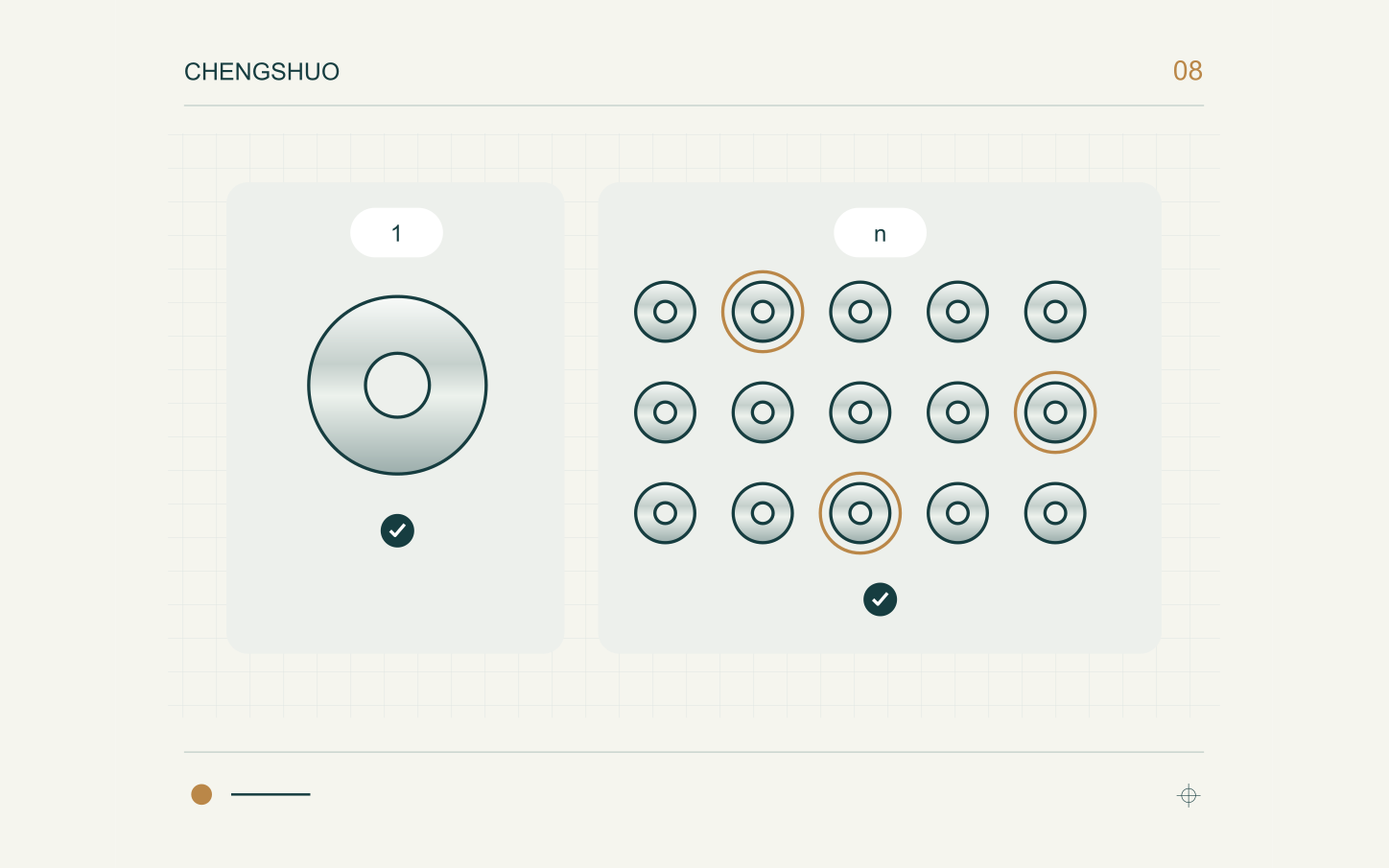
NIST describes acceptance sampling as selecting a random sample from a lot to support an accept-or-reject decision. It is not a certificate that all pieces were measured. Agree the lot boundary, characteristics, applicable sampling plan and edition, sample selection, acceptance and rejection criteria, and response to a failed check. A statement such as inspect five parts is incomplete without those conditions. Different risks can require different controls; do not assign one sampling rule automatically to every feature.
Keep process monitoring distinct from shipment acceptance
Checks during machining can help detect tool wear, setup movement or other changes while there is still time to contain affected work. They need their own frequency, method and reaction plan. They do not automatically replace the agreed shipment inspection. When a check fails, define how the suspect interval or lot is identified, isolated and reviewed. Also agree which changes trigger renewed initial verification, rather than assuming a previous approval remains valid after every process or drawing change.
Illustrative example: one shaft, three review decisions
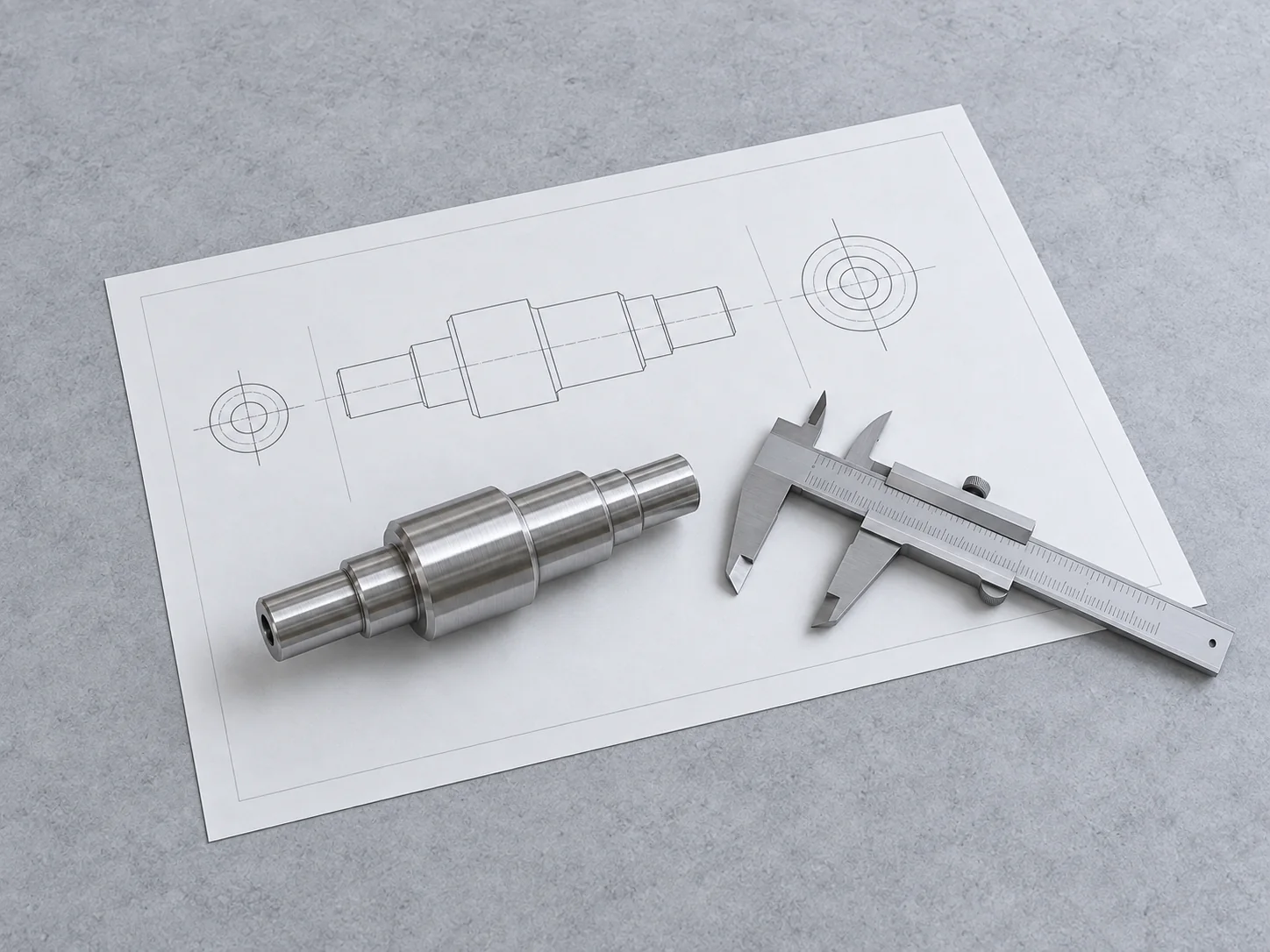
Consider a hypothetical stepped shaft with a locating diameter, shoulder distance and retaining groove. Initial verification could address the drawing requirements on identified samples in the specified finished condition. During production, a separate plan could monitor selected dimensions and respond to drift. Shipment acceptance would then use the agreed lot and inspection scope. Neither a good fit in one assembly nor an initial inspection signature supplies all three decisions. This example defines a discussion structure, not measured results, a prescribed sample size or a delivered Chengshuo order.
Send a release plan with the RFQ
Purchasing and quality teams should resolve these items together before approving the sample and production order. Send Chengshuo the drawing and proposed requirements for a part-specific review; measurement methods, coverage and records must be agreed for that part.
- Initial release: identify the drawing revision, sample condition, required characteristics and approval owner.
- Lot definition: explain how manufacturing batches, material changes and split shipments will be distinguished.
- Inspection scope: name the sampling plan, selection method, acceptance rules and any separately agreed full inspection.
- Containment: specify what happens after a failed check and who can authorise rework or release.
- Revalidation: list changes that require review, the evidence to retain and how receiving inspection will use it.
FROM THE GUIDE TO YOUR PART
Put the checks into context.


References & further reading
- NIST — Purpose and limits of acceptance sampling
- IAQG — First article inspection framework and scope
General planning guidance. Feasibility and acceptance criteria are confirmed against your drawing.