
 5 min read

Start with the metalwork and the complete enclosure
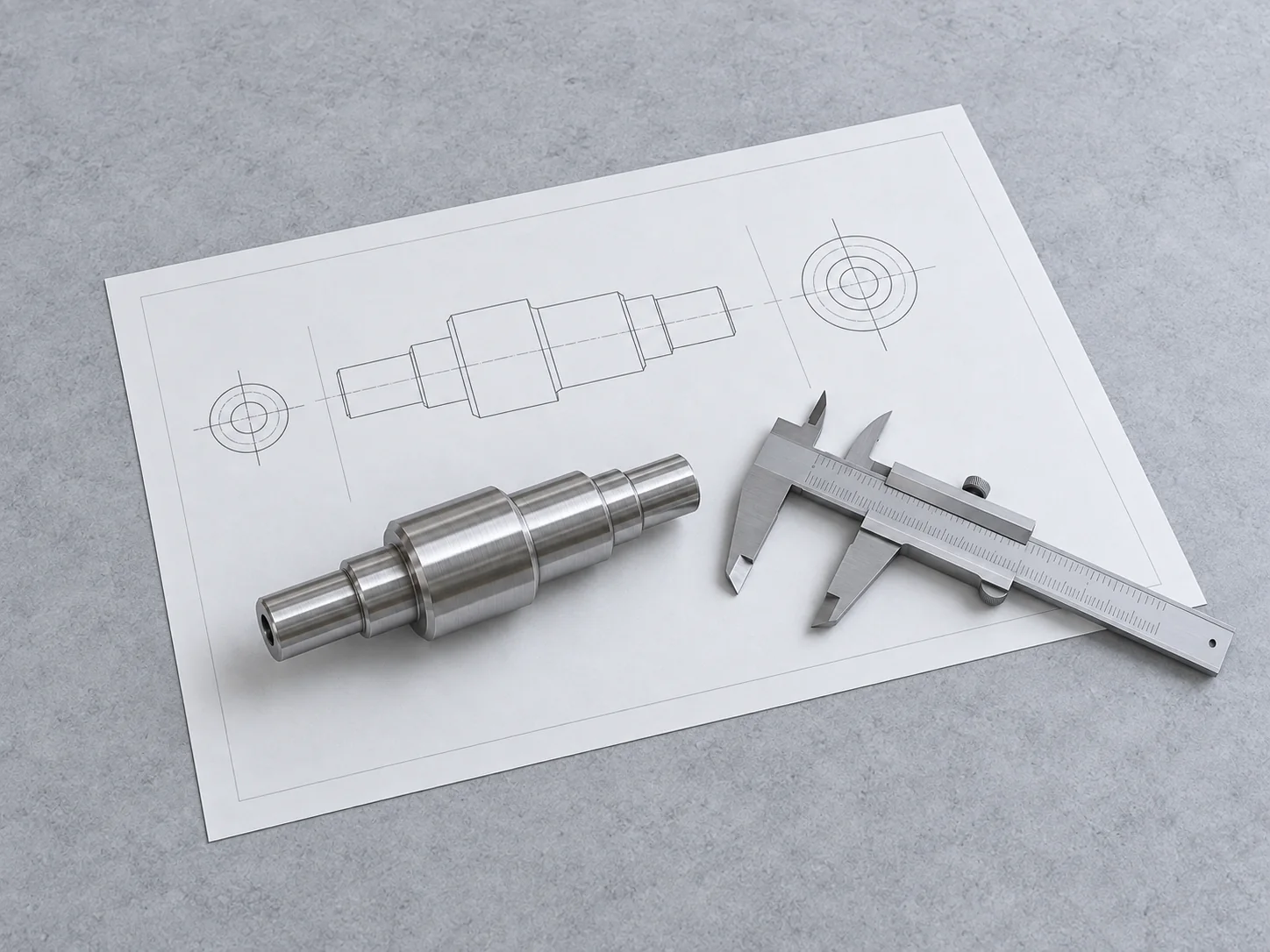
A sensor housing quotation needs a clear boundary around the supplied metalwork. State whether the purchase covers a sleeve, a threaded connector body, an assembled enclosure or another defined item. Add a section drawing that shows the sensor element, cable exit, connector, cover and seals, even when those items are supplied elsewhere.
IEC 60529 classifies degrees of protection provided by electrical equipment enclosures. It does not turn a bare machined sleeve into an IP-rated sensor. If your project requires an IP classification, identify the enclosure configuration and test responsibility alongside the metal-part drawing. Keep that requirement visible through quotation and sample review.
Map every opening and the interface that closes it
Trace the boundary between the protected interior and the environment. Identify each opening and joint on the assembly drawing, including the cable or connector entry and any service cover. Assign one interface identifier to each location so the machining, sealing and assembly requirements can be discussed together.
- Sleeve joint: identify the mating body, seating location and the method used to close the joint.
- Connector entry: provide the connector part number or controlled interface drawing, mounting face and required retention.
- Seal location: identify the selected seal and its groove or seating surface; assign responsibility for seal selection.
- Permanent joint: define any proposed weld, bond or potting operation and which party supplies the process specification.
- Service opening: state whether reopening is permitted and what must be replaced or checked before reuse.
Give sealing surfaces their own requirements
Provide the approved seal specification and the associated metal geometry. The Parker O-Ring Handbook treats gland geometry and sealing-surface finish as design considerations; its guidance also discusses the direction of machining marks. A generic smooth-finish note therefore leaves questions that an appearance photograph cannot resolve.
On your drawing, identify the controlled surfaces, relevant dimensions and tolerances, texture requirement and edge condition. State how those characteristics will be checked and which condition applies after treatment. Have the responsible seal designer approve the requirement; do not select a groove or roughness value merely because another housing looks similar.
Include the assembly sequence in the review
Describe how the seal and internal items reach their final positions. Show relevant entry edges and tool access, and identify the assembly references. If welding, adhesive or potting is proposed, keep the process and acceptance requirements explicit. A machining quotation should state whether those later operations are included, excluded or awaiting review.
Specify the base alloy and finish, and identify surfaces that need protection during transport. Agree packing that separates vulnerable interfaces and retains part and lot identification. If a later operation could affect a controlled feature, identify who performs the final check and how the accepted record refers to the completed condition.
Ask for two distinct acceptance records
The metal-part inspection record should identify the drawing revision, selected characteristics, measured results and lot or sample reference. The enclosure test record should identify the assembled configuration, applicable specification, test conditions and acceptance result. Request each deliverable explicitly rather than assuming one is included in the other.
For enclosure testing, agree the installed connector or closure, seal specification, cable arrangement, assembly instructions and sample condition. Define the required classification and applicable standard edition with the responsible engineer or test provider. This article provides no universal IP test recipe and does not claim that a Chengshuo reference housing has passed an ingress test.
Resolve the open interfaces before ordering samples
Can a stainless steel sleeve be ordered from a photograph? A photo can communicate its form, but dimensions, material grade and closure interfaces still need definition. Does a good bore measurement prove enclosure protection? It documents that feature; the complete enclosure needs its own agreed acceptance evidence.
Send Chengshuo the housing drawing, interface section, selected seal or connector references, quantities and inspection requirements. Use the sleeve and connector-body examples below to discuss the metal geometry. Agree the exact scope before committing to samples, including who completes assembly and any protection testing.
FROM THE GUIDE TO YOUR PART
Put the checks into context.


References & further reading
- IEC 60529 — Degrees of protection provided by enclosures

- Parker O-Ring Handbook — Static seal geometry and surface finish
General planning guidance. Feasibility and acceptance criteria are confirmed against your drawing.