
 5 min read

Identify which part of the contact system you are buying
A pogo pin component RFQ should identify the supplied item before it lists performance targets. A machined plunger, a barrel, a replaceable probe receptacle and a complete spring-loaded contact are different purchases. Show the component in an assembly section and mark the items supplied by each party.
A receptacle that holds a replaceable test probe is not automatically the barrel that guides its plunger. Harwin's ATE probe listing identifies a separate matching receptacle, while its pogo pin documentation describes a plunger, body and spring. Use those distinctions to name your own drawing; the manufacturer's product ratings do not transfer to a custom component.
Put the working position on the assembly drawing
A free-state photograph cannot show the position at which a spring-loaded contact will operate. Harwin, for example, states free height and working height separately for a published pogo pin. For your assembly, identify the intended contact position and the permitted travel envelope, with tolerances referenced to the mounting face.
Ask the design owner to provide the spring and mating-surface requirements. Mark the stop or other feature that limits movement and identify who checks the assembly stack. A turning supplier can review the plunger geometry against that information; machining the plunger alone does not establish spring force or acceptable overtravel.
Review the tip, guide and retention features together
Use an interface list to connect the component drawing to the mating hardware. A rounded tip, a pointed tip and a shaped contact end should not be treated as interchangeable because their overall lengths match. Show the intended contact surface and identify the design features that must be preserved during machining and finishing.
- Contact end: define the profile and its location relative to the guide section; provide the mating surface reference.
- Guide section: specify the finished diameter, working length and relevant geometric relationships to the tip.
- Retention: identify shoulders, grooves or stops and the mating feature that captures the plunger.
- Probe receptacle: define its receiving bore, fixture-plate interface and removal or replacement arrangement separately.
- Termination: identify the solder, wire or other connection geometry and which operations belong in the purchase.
State material and dimensions in the delivered condition
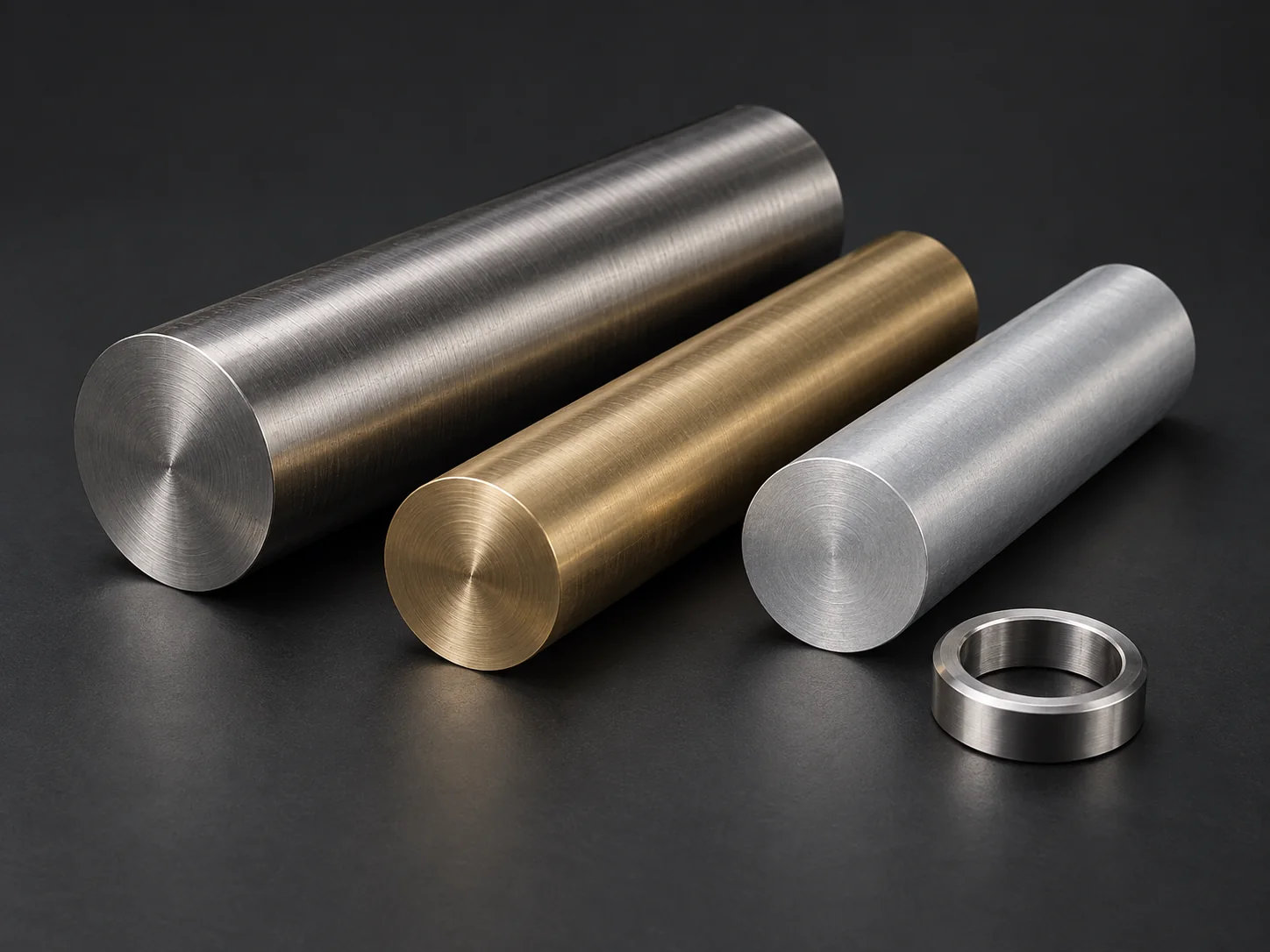
Specify the base alloy, required material documentation and the complete finish callout. Mark treated areas, masking and any surface requirements at the guide and contact end. Where dimensions apply after finishing, say so explicitly and identify who measures them. A gold-coloured product image cannot establish coating composition, thickness or suitability.
Include protection and handling requirements for small tips and thin receiving walls. Agree how parts are separated and labelled, and identify surfaces on which handling marks are unacceptable. If the assembly needs a quantified cleanliness criterion, supply that criterion and a verification method rather than a general request for clean parts.
Keep component inspection and contact testing separate
Create two acceptance lists. The component list covers drawing characteristics and supplied material or finish records. The assembly list covers the performance your equipment needs, with test responsibility assigned. A dimensional report for a loose plunger is not evidence of the complete contact's current capability, resistance or cycle life.
For assembly testing, agree the mating surface, compression position, fixture, electrical conditions and environment. Identify the measurements, acceptance limits, sample quantity and test sequence, including any checks after cycling. Obtain project-specific agreement on who supplies the spring and other mating items and who performs and records the test.
Send a package that can be reviewed without guessing
Send the component drawing and revision, assembly section, finished material specification, sample quantity and required records. Mark unresolved values as questions for the responsible designer instead of copying a catalogue rating. Include the approved mating-part reference if samples will be checked in your existing fixture.
Chengshuo's plunger and test-receptacle examples below provide starting points for a geometry discussion. Request a drawing review for the machined components you need, then agree any assembly or test service separately. The reference visuals do not establish compatibility between these examples or a validated spring-loaded connector.
FROM THE GUIDE TO YOUR PART
Put the checks into context.


References & further reading
- Harwin — ATE spring probe and matching receptacle example

- Harwin — Pogo pin free and working height example
- Harwin — Spring-loaded contact construction
General planning guidance. Feasibility and acceptance criteria are confirmed against your drawing.