Chengshuo store product visual — drawing-based reference
Shafts & pins / cs-product-044
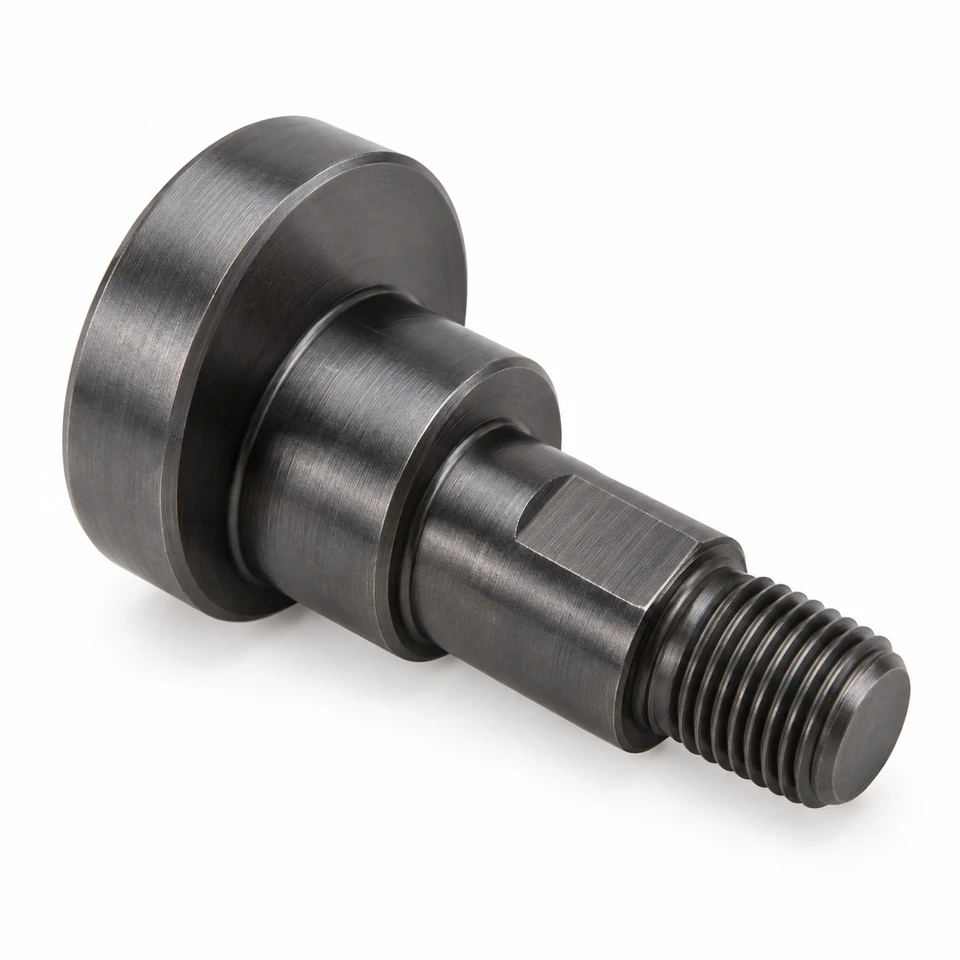
Custom eccentric shaft for timing-belt tensioners
Bring the eccentric offset, roller journal and locking interface into one machining enquiry. Chengshuo reviews the shaft against your drawing, approved alloy-steel specification, quantities and sample-acceptance requirements.
Material shown
Alloy steel; grade and condition to your approved drawing
Process reference
Swiss turning, eccentric turning, threading and flat milling
Define offset, journal and final locking condition
Bring the eccentric offset, roller journal and locking interface into one machining enquiry. Chengshuo reviews the shaft against your drawing, approved alloy-steel specification, quantities and sample-acceptance requirements.
Identify the current drawing, mating interfaces, requested records and quantity scenarios so the quotation and sample review cover the same component.
BEFORE YOU RELEASE THE DRAWING
A practical next step.
Use these guides to define the records and checks your component needs.
Specify the adjustment interface before comparing suppliers
A timing-belt tensioner eccentric shaft gives the roller a defined adjustment relationship to its mounting position. Start your supplier brief with the assembled arrangement: the fixed mounting axis, the roller or bearing location, the adjustment tool and the locking method. Identify which features establish position and which simply provide clearance. This makes the eccentric shaft a specific purchased component with an agreed interface, rather than an isolated turned shape.
The Chengshuo catalogue reference CS-SW-227 is listed as an alloy-steel, drawing-based shaft with an eccentric bearing journal, threaded mount and drive flat. Its recorded process route includes Swiss turning, eccentric turning, threading and flat milling. Use that reference to communicate your required geometry, then provide the actual grade, condition and final dimensions for your order. Keep a requested material or finish alternative separately identified in the quotation.
Clarify whether the supplier is delivering the shaft alone or any additional agreed components. Identify the bearing or roller information needed for the journal review and the mating thread used for mounting. State whether the adjustment position is set during installation or must be checked against an assembly reference before shipment. These decisions give the manufacturing reviewer the information needed to discuss workholding, feature relationships and the inspection scope.
Define offset, journal and final locking condition
Locate the eccentric journal relative to the named mounting datum, with the drawing view and direction that define the offset. Specify journal diameter, usable bearing length, shoulders and end transitions separately. Show which surfaces the bearing contacts and where an entry or edge treatment is required. If an angular relationship matters between the offset and the drive flat, dimension that relationship from a defined reference rather than leaving orientation to visual comparison.
Include the thread designation, finished-condition acceptance and available engagement at the mounting end. Show the shoulder or seating face that locates the shaft after tightening. Provide the tool-access envelope for the drive feature and identify any nearby assembly restriction. If a treatment or coating is required, state which dimensions apply after that operation and how protected or masked areas are defined. Use the same final condition for the sample and production requirements.
Agree how the eccentric offset and relevant journal relationship will be checked. A dimensional report should identify the drawing characteristics, datum setup and sample identity used for the result. Keep the shaft inspection separate from the buyer’s complete tensioner adjustment and locking evaluation, with both activities linked to the same mating parts. The purchasing worksheet below helps assign the required information and records without inventing a universal offset or fit.
Feature
Enquiry and acceptance
Reference scope
CS-SW-227; shaft-only or agreed supplied items Record: Quoted deliverable and drawing revision
Material
Alloy-steel grade, condition and treatment Record: Agreed material/finish records
Offset and journal
Datum, offset, diameter and usable length Record: Feature-linked dimensional results
Mounting end
Thread, engagement and seating face Record: Finished-condition acceptance
Adjustment
Drive feature, access and orientation Record: Approved interface definition
Sample and repeat order
Mating parts, quantities and change scope Record: Sample decision and lot identity
Build a repeatable quotation and sample package
Send Chengshuo the shaft drawing, assembly interface, material specification and quantity scenarios. Mark the offset, roller journal, locking face, thread and drive feature that need particular attention. Request the inspection records required for sample review and describe the expected production and repeat-order quantities. Where an interface decision remains open, identify its owner and the information needed to close it before the manufacturing route is agreed.
For sample approval, specify the delivered condition and the mating bearing, roller and mounting hardware used by the assembly reviewer. Record the drawing revision and sample identifiers with the dimensional results and the assembly decision. Agree which changes require another review, such as a different bearing fit, offset, locking arrangement or treatment. The eventual quotation confirms the supplied scope, commercial terms and timing for those requirements.
Protect the journal, thread starts and functional shoulder faces during packing and handling. Identify the part revision and lot in the agreed delivery records so receiving can connect the supplied shafts to the approved sample basis. Before a repeat order, compare the current shaft and mating-component definitions with that basis. A controlled change to the tensioner arrangement should travel with the purchase order, even when the part name remains unchanged.
Provide the shaft drawing and assembly interface, material and finish, sample and production quantities, eccentric offset definition, journal requirements and the inspection records you need for approval.
Which material is shown in the Chengshuo reference?
The recorded CS-SW-227 catalogue attributes specify alloy steel. Your enquiry should identify the required grade, condition and any treatment so the quoted manufacturing scope is specific.
How should I specify the eccentric offset?
Name the mounting datum and define the journal offset, direction and any angular relationship in the drawing. Include the bearing journal size, usable length and relevant shoulder transitions.
Can the shaft supplier confirm the tensioner setting?
Agree whether an assembly setting review is included and who provides the mating parts and procedure. Record that scope separately from the shaft’s dimensional acceptance and connect both to the same revision.
What inspection records should I request?
Identify the critical characteristics, required datum setup and sample or lot references. Include material or treatment documentation where needed and agree the format before the sample is produced.
What information controls a repeat order?
Use the approved drawing, material, finish, sample decision and packing requirements. Highlight changes to offset, journal fit, mounting thread, drive orientation or mating parts for review.
A stainless steel guide pillar with a long cylindrical body and stepped end features. Define the guide diameter, shoulder position and thread engagement for your drawing.
Brass pillar and contact forms with several diameter steps. Share the mating dimensions, engagement length and electrical requirements for your own component.
Use an example to explain your idea. Your own drawing defines the final specification.
FROM COMPONENT TO PROJECT
Review the evidence. Define your part.
Start with the component geometry, then check what the drawing, sample and order records need to establish for your own part.
Send the current drawing with quantities and critical requirements. The review is the starting point for agreeing scope, quotation and sample approval.



 AI-assisted studio view